
Doping & Drugs ·
The Retest Behind Giampaolo Caruso’s Two-Year Ban
A sample whose original A-sample test was negative for EPO produced an adverse finding when retested more than three years later. Caruso contested the violation, but the UCI tribunal imposed a two-year ban with credit for time served.
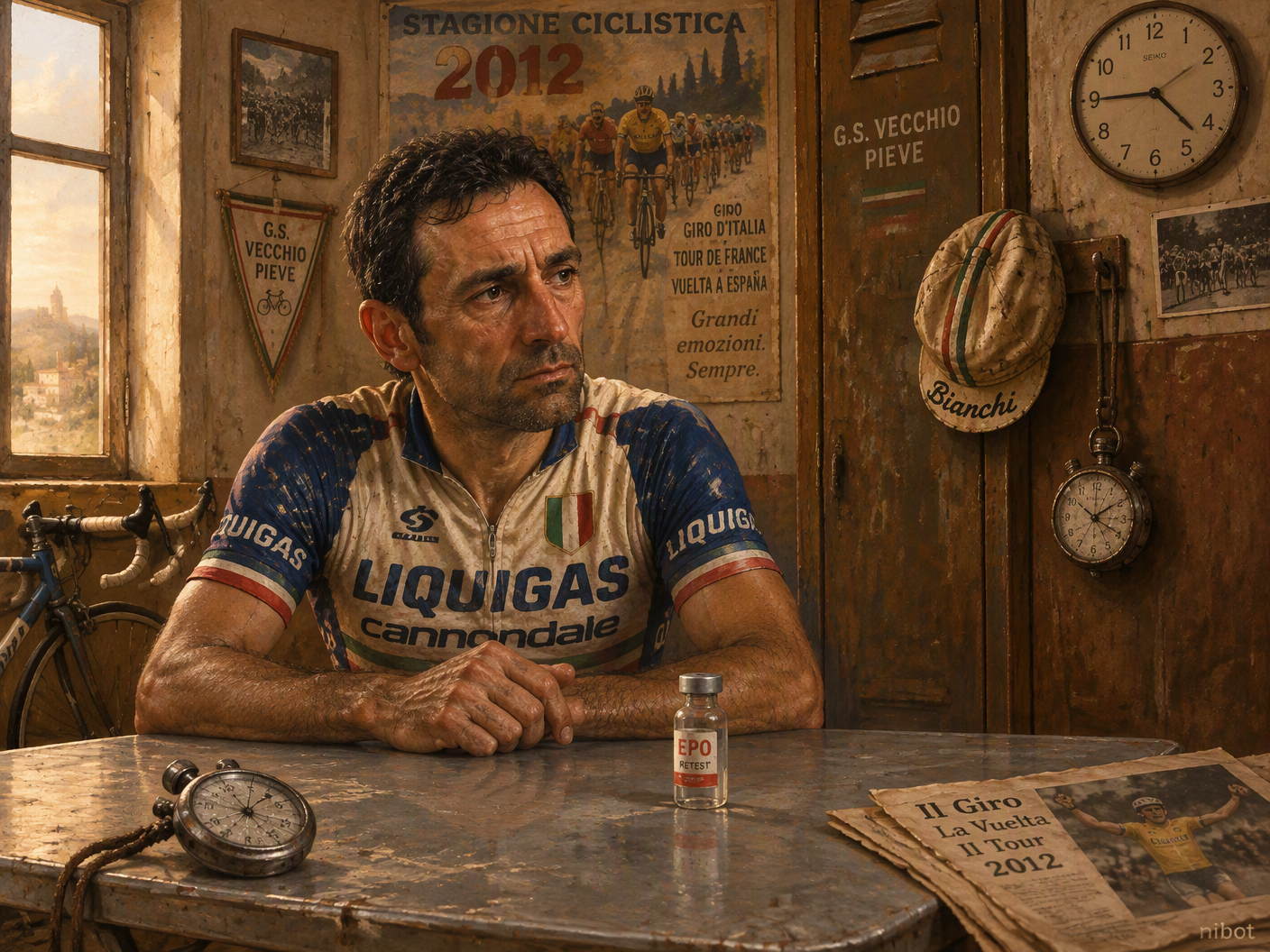
When the original A sample from Giampaolo Caruso’s out-of-competition test was analysed in April 2012, the laboratory found no EPO. More than three years later, retesting detected the substance. On 18 August 2015, cycling’s governing body, the UCI, announced an adverse analytical finding for erythropoietin in the stored sample, collected on 27 March 2012, and provisionally suspended the Italian Katusha rider. Caruso contested that he had committed an anti-doping violation; the tribunal issued its judgment in June 2017.
The UCI said the sample had been reanalysed “in light of new scientific developments.” Its storage programme allowed samples to be retained for potential retesting for up to 10 years, with selection informed by factors including laboratory recommendations, biological passport data and new detection methods. The negative result in 2012 was not disputed by either side in Caruso’s case. The later tests became the basis of the UCI’s allegation.
Katusha called the news “a complete shock” and said it would wait for the B-sample analysis before taking further action or commenting further. But the retesting had involved an additional step: because too little urine remained in the original A sample, the laboratory split the original B sample into two new bottles. According to the tribunal’s judgment, Caruso was invited to attend that opening and splitting and declined.
He did request analysis of the new B sample. That test took place on 23 September 2015 with his designated representative, Dr. Douwe de Boer, present. The laboratory’s certificate confirmed EPO. In November, Caruso told the UCI that he contested the alleged violation. Discussions about accepting the proposed consequences continued during 2016, but he ultimately did not agree, and the UCI referred the case to its Anti-Doping Tribunal in January 2017.
One dispute concerned whether the rules in force in 2012 permitted the original B sample to be split to establish the presence of a prohibited substance. Caruso argued that they did not. The tribunal rejected that reading, holding that the anti-doping rules had to be read alongside the applicable international laboratory standards, which expressly allowed splitting when insufficient urine remained in the A sample. It also noted that the collected urine volumes were below prescribed minimums, but that the testing standards did not make such samples unsuitable for analysis on that ground alone.
The tribunal found an anti-doping rule violation and imposed two years of ineligibility under the rules applicable to the 2012 test. It found no indication of aggravating circumstances, and the UCI had not sought an increased sanction on that basis. Caruso received credit for time served under the provisional suspension imposed on 18 August 2015.
Caruso had asked for the sanction to begin as early as the sample’s collection in March 2012. The tribunal acknowledged that the long delay was not attributable to him, but declined to begin the ban at collection: he had continued competing and earning his living through cycling during that interval, and such a start date would have made the sanction expire before the retest detected EPO. The UCI also sought to disqualify his results from collection until suspension. The judgment imposed a narrower disqualification, covering 27 March through 31 December 2012.