
Scandals & Feuds ·
The $930 Million Ponzi Scheme Behind Nevin Shapiro’s University Giving
Shapiro solicited approximately $930 million for a purported grocery business, using investor money to pay earlier investors, cover personal expenses and give cash and gifts to student-athletes.
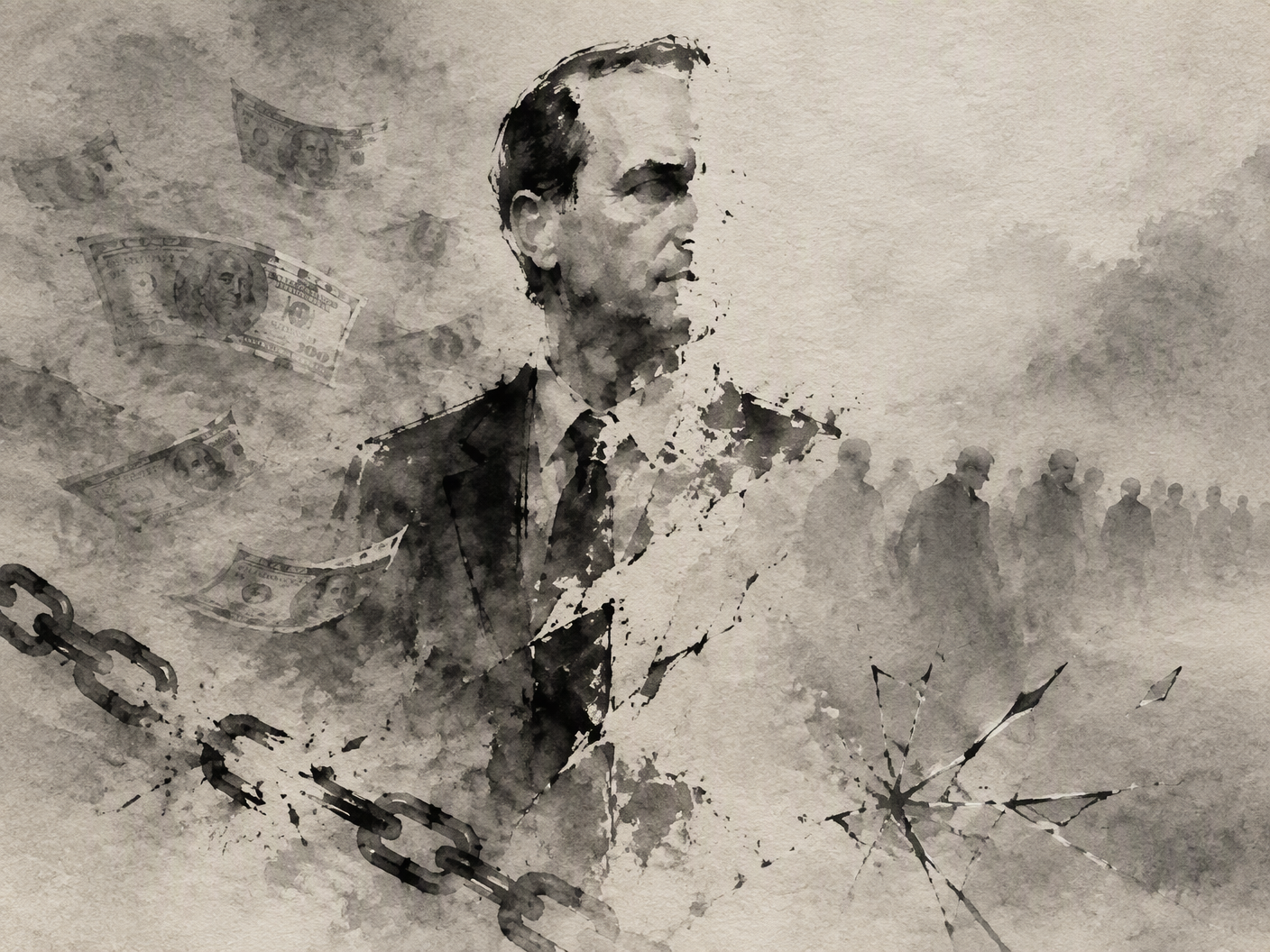
Nevin Shapiro used investor money to give cash and gifts to dozens of student-athletes and make donations to a Miami-area university that put his name on its Student-Athlete Lounge. The money was supposed to finance a wholesale grocery business. Instead, Shapiro admitted, Capitol Investments USA had virtually no income-generating business, and new investors’ funds were paying principal and interest to earlier investors.
Between January 2005 and November 2009, Shapiro used Capitol to solicit approximately $930 million, according to the indictment to which he pleaded guilty and statements made in court. That figure measured the money drawn into the scheme, not the investors’ ultimate losses. Court papers said Shapiro promised returns of 10 percent to 26 percent.
To persuade investors, Shapiro directed others to create documents falsely portraying Capitol as a profitable grocery business. Financial statements and profit-and-loss figures purported to show tens of millions of dollars in annual sales. Tax returns repeated the false figures, and invoices purported to document transactions with other grocery companies. Capitol’s chief financial officer and an accountant later pleaded guilty to securities fraud, admitting that they helped produce fraudulent paperwork and operate the scheme.
More than $35 million in investor funds was misappropriated for Shapiro’s personal use, federal prosecutors said. At least $5 million paid illegal sports-gambling debts. Other money covered roughly $26,000 a month in mortgage payments on his Miami Beach home, payments on a $1.5 million yacht and more than $400,000 for floor seats at Miami Heat games. Prosecutors also said Shapiro used investor money for university donations and payments to student-athletes, including cash of up to $10,000, jewelry and entertainment at Miami Beach restaurants and nightclubs.
In January 2009, Capitol began missing required principal and interest payments. Shapiro told investors that vendors were late paying, that the company had cash-flow problems and that his accountant was on vacation, according to the federal sentencing account. By November, Shapiro and Capitol had been forced into bankruptcy. They owed investors more than $100 million.
Shapiro surrendered to FBI and IRS agents in April 2010 and pleaded guilty that September to securities fraud and money laundering. On June 7, 2011, U.S. District Judge Susan D. Wigenton sentenced him to 20 years in prison. His lawyer, Maria Elena Perez, called the sentence excessive because it exceeded the range that the defense and prosecutors had agreed to request, while saying that Shapiro accepted responsibility.
Shapiro admitted that more than 50 investors had lost between $50 million and $100 million. Along with the prison sentence, Wigenton ordered him to pay $82,657,362.29 in restitution.